In precision optical assembly and adjustment, we often encounter this "awkward" situation: the subsystem under test itself does not possess independent imaging capabilities, the emitted wavefront is extremely cluttered, and the interferometer simply cannot identify valid data. If your work is in the following scenario, you may be familiar with the frustration of this "blind testing."
From classical interferometry to diffraction compensation, from direct measurement to slope derivation, a plethora of technical terms emerge. For decision-makers, choosing the wrong approach not only means wasting millions of dollars in equipment investment but can also potentially drag down the entire R&D cycle.
How can we navigate this complex toolbox and find the key to success? In fact, the fundamental principles remain the same. To help you understand more clearly, we've moved beyond a simple list of equipment and, starting from the two intersecting axes of "surface shape to be measured" and "physical measurement dimension," we've outlined a comprehensive and robust logical framework for optical inspection.
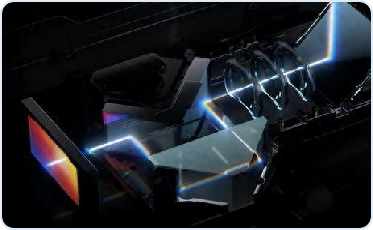
In the field of precision optical inspection, computer-generated holograms (CGHs) are hailed as the "standard" for inspecting aspherical and freeform surfaces. However, in practical applications, engineers often face a crucial choice: amplitude-type CGH or phase-type CGH?
This is not only a difference in manufacturing process but also relates to the material properties of the test piece and its ability to suppress stray light. Today, Zhixing Optics will provide an in-depth analysis of the core differences between these two types of CGHs.
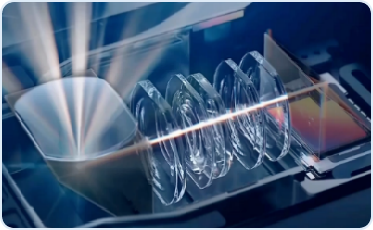
Computer-Generated Holography (abbreviated as CGH) is a key technology in modern optics, which generates holograms for displaying three-dimensional images through digital computation. With the development of computer science, optical engineering, and display technology, CGH has shown broad application prospects and research value in numerous fields such as data storage, three-dimensional display, optical testing, optical communication, and information security. This article will provide a detailed introduction to CGH from aspects such as its basic principles, computational methods, implementation technologies, and application prospects.
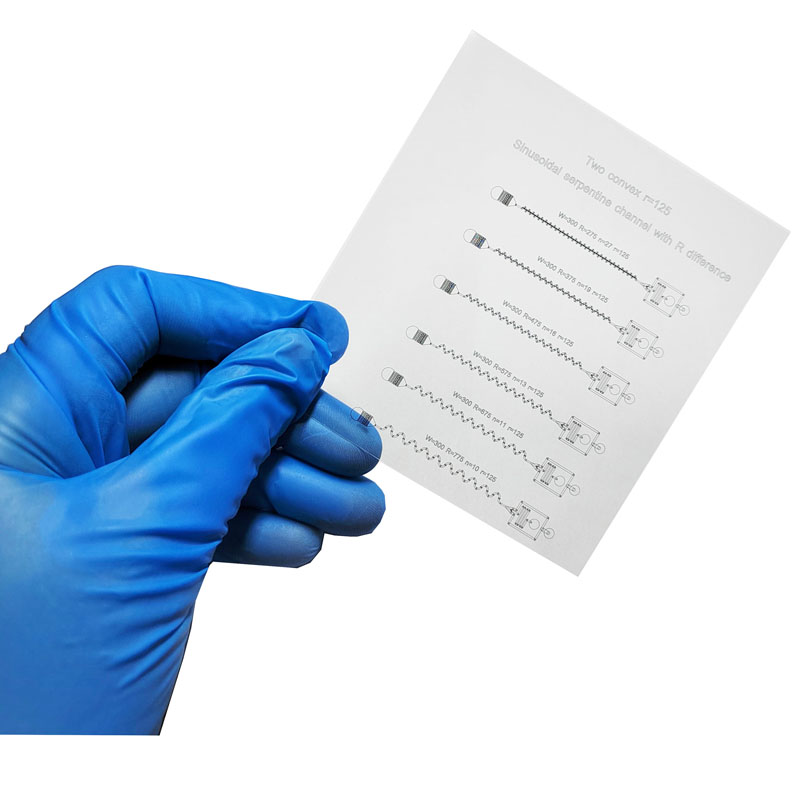
Film photomasks play a vital role in modern optical production, semiconductor patterning, PCB development, and various micro-fabrication processes. They serve as high-precision pattern carriers, enabling accurate light-based imaging or etching on different substrates. In this article, I will explain how a Film Photomask works, why it is important, and what technical parameters make our solutions from Ningbo Zhixing Optical Technology Co., Ltd. reliable. Clear structure, easy-to-read language, and professional depth are maintained throughout.
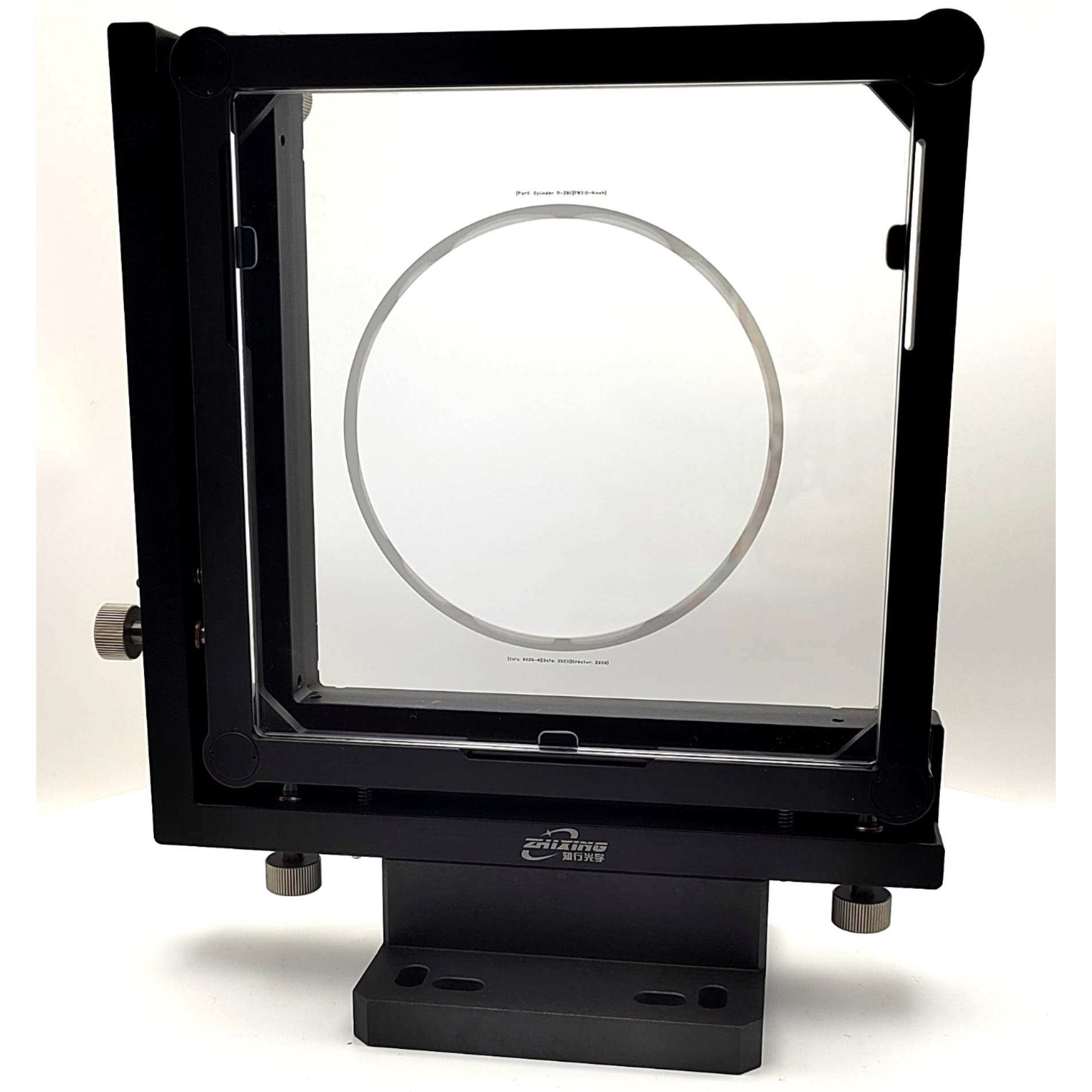
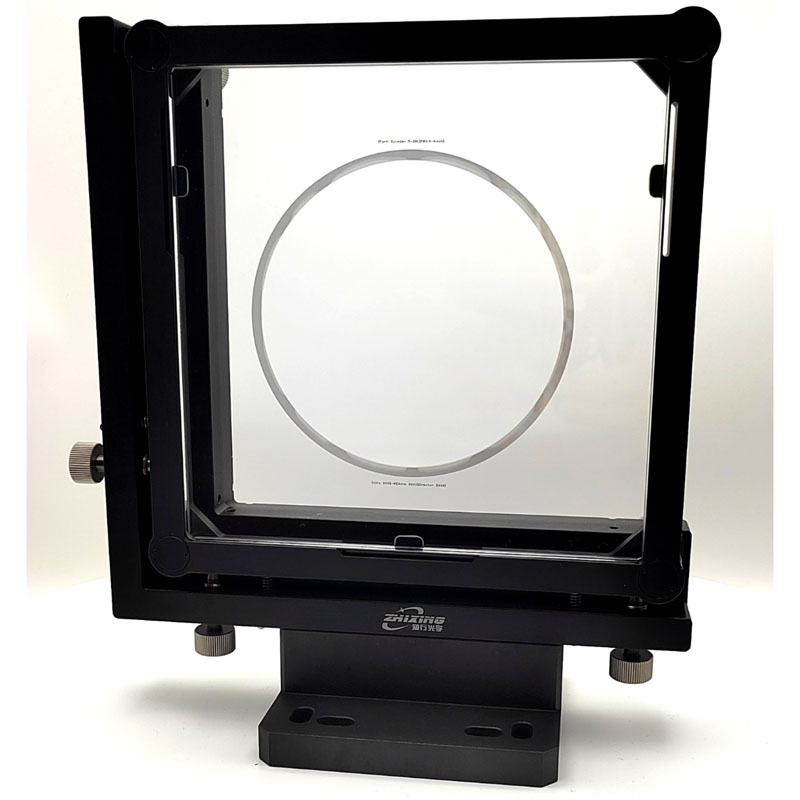
In the fast-evolving field of optical metrology, CGH Cylinder Nulls have emerged as indispensable tools for precision testing and calibration of cylindrical and aspheric surfaces. By replacing complex mechanical setups with computer-generated holography (CGH), these null correctors enable ultra-precise surface verification in high-end optical systems such as telescopes, camera lenses, and semiconductor inspection instruments. This article explores how, why, and what makes CGH Cylinder Nulls vital for industries seeking sub-micron accuracy and cost-effective testing solutions, while also highlighting the professional excellence of Ningbo Zhixing Optical Technology Co., Ltd., a leading manufacturer in this field.
We use cookies to offer you a better browsing experience, analyze site traffic and personalize content. By using this site, you agree to our use of cookies.Privacy Policy

 24 2026-04
  23 2026-04
  22 2026-04
  03 2026-03
  14 2025-11
  22 2025-10