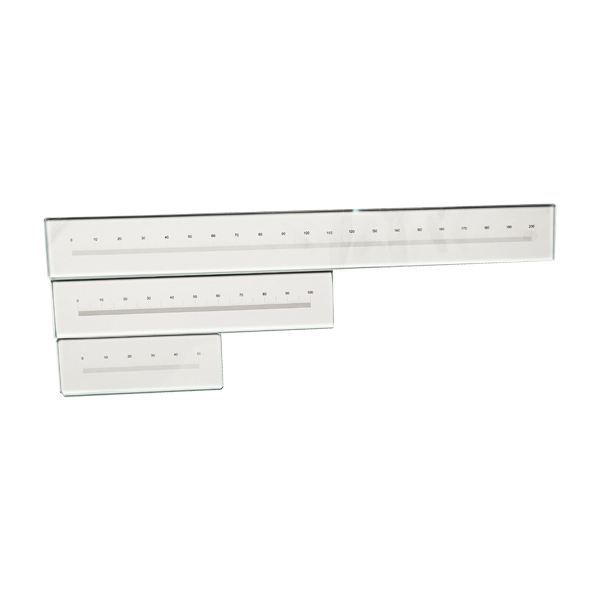
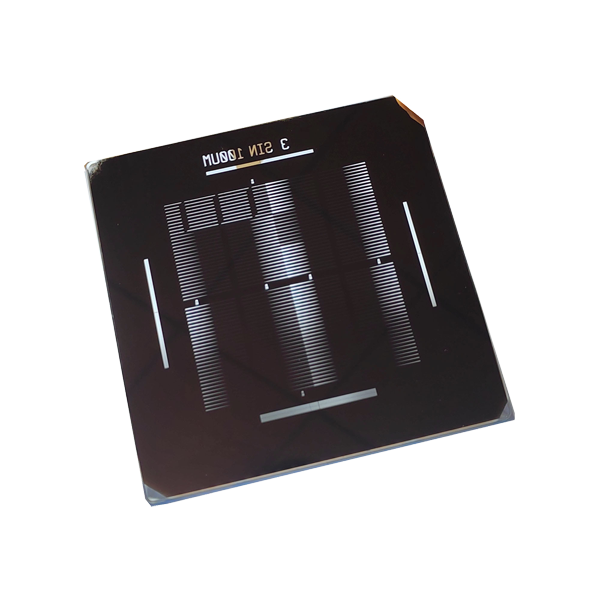
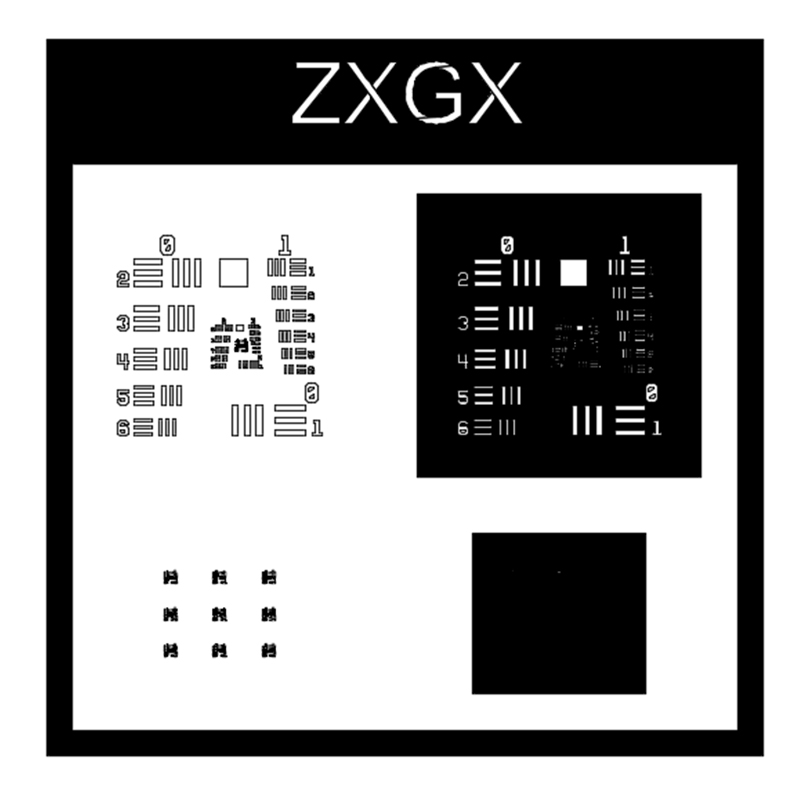
With years of experience in producing OpenCV Calibration Boards, Zhixing can supply a wide range of these boards. High-quality OpenCV Calibration Boards can meet many applications. If you need to, please use our online service for timely assistance regarding OpenCV Calibration Boards. In addition to the product list below, you can also customize your own unique OpenCV Calibration Board according to your specific needs.
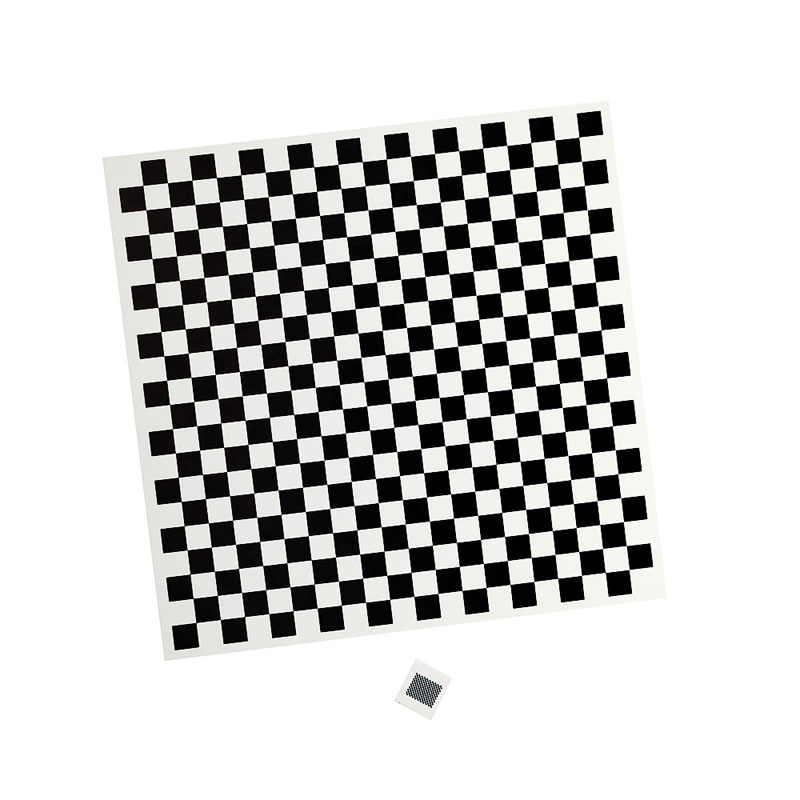
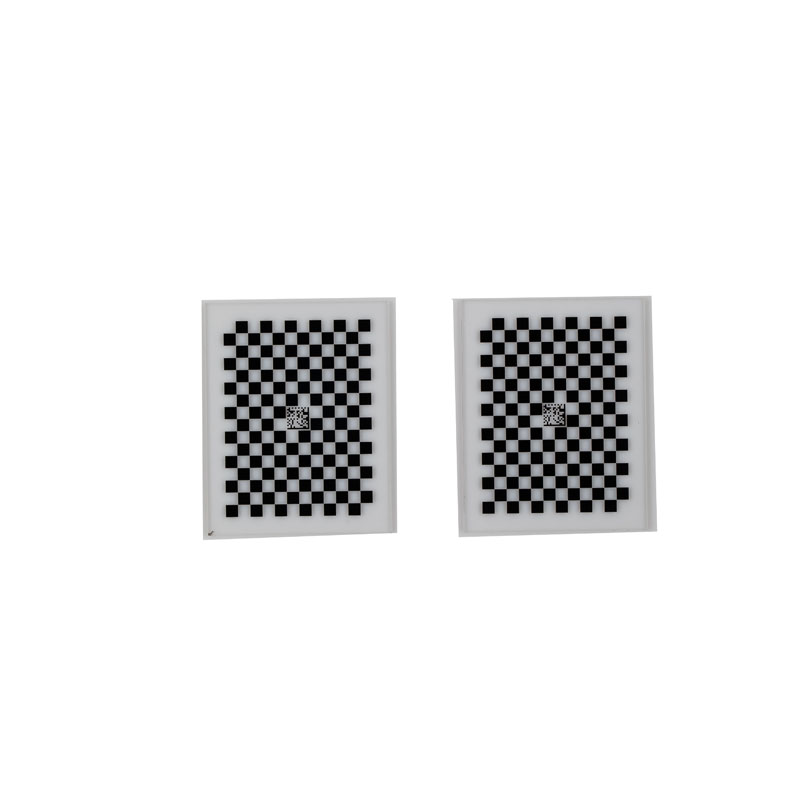
The OpenCV Calibration Board is a tool used for computer vision tasks, consisting of a flat pattern of black and white squares. In computer vision, we often need to take images through cameras and process them to extract useful information. In this process, the internal and external parameters of the camera are crucial, as they determine information such as the position, size, and shape of objects in the image.
OpenCV Calibration Boards are designed to solve this problem by helping accurately measure the internal and external parameters of the camera. By using the OpenCV Calibration Board, we can determine the focal length, distortion coefficient, rotation matrix, and shift matrix of the camera, thus enabling accurate position estimation of three-dimensional objects in two-dimensional images.
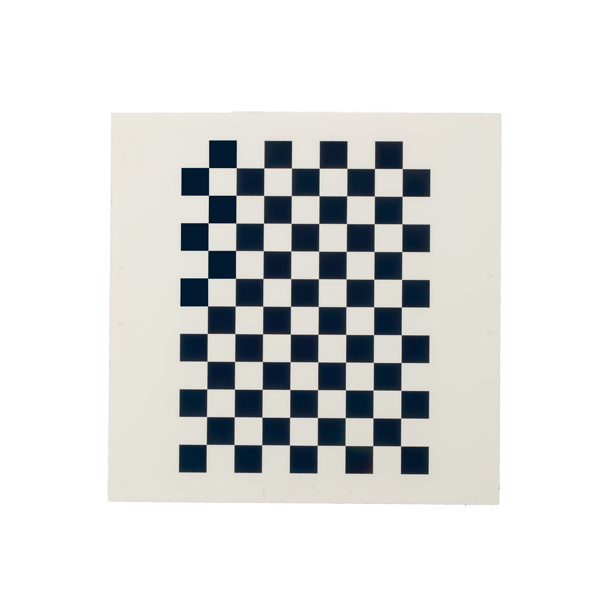
The production of the OpenCV Calibration Board is relatively simple, requiring only the arrangement of black and white squares into a rectangle following specific rules. Common calibration plates are 20x16 or 12x9 in size.
When using an OpenCV Calibration Board for calibration, place the board in the camera's field of view and take a series of photos from different angles. In the photos, each square on the OpenCV Calibration Board corresponds to a pixel. By measuring the pixel coordinates and actual coordinates of each square on the calibration board, the internal and external parameters of the camera can be calculated.
In short, the OpenCV Calibration Board is a very practical tool that can help accurately measure the internal and external parameters of the camera, providing powerful support for computer vision tasks. It has a wide range of application prospects in robot vision, autonomous driving, medical image analysis, and other fields.